
September 5, 2026 · Selling Farmland
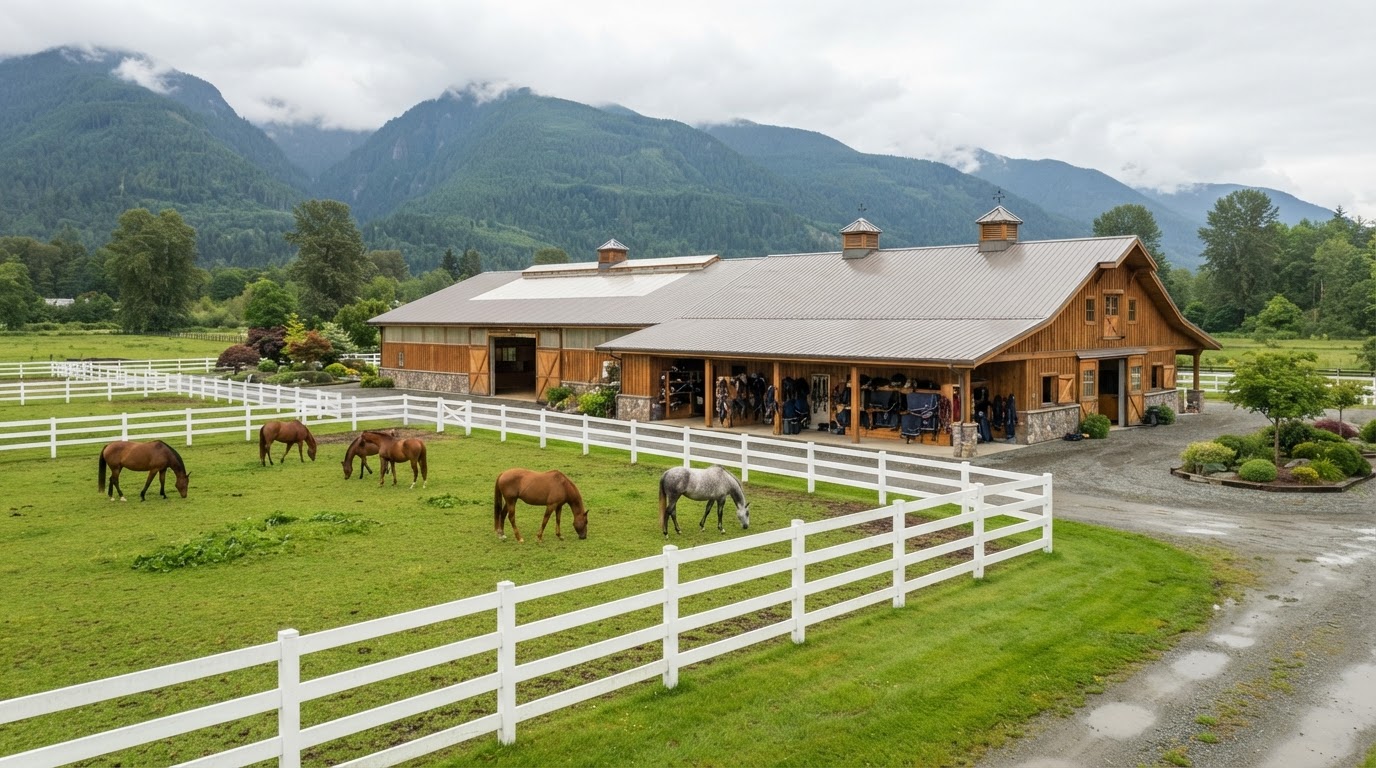
Preparing a farm for sale is fundamentally different from preparing a residential property. A farm is land, water, soil, buildings, and sometimes a business — and a buyer's due diligence will be deeper and more demanding than a homebuyer's. The seller who has documentation ready, who understands what buyers will scrutinise, and who presents the property honestly and completely is the seller who achieves a clean sale at a realistic price. The seller who is unprepared faces delays, price reductions, and deals that collapse late.
This checklist is the seller's counterpart to our Due Diligence Checklist for buyers. Every item a buyer will verify is an item the seller should prepare in advance. See also our Farm Valuation and Sell a Farm pages for the broader selling framework.
1. Gather the documentation buyers will request
A prepared seller has the key documents ready before listing, not after a buyer asks for them. This signals competence, builds trust, and prevents the delays that can derail a deal. Gather:
- Current title and any registered easements, covenants or rights of way — with the underlying documents.
- ALR status confirmation from the ALC portal.
- Water licences, well records and any irrigation-district allocation documents.
- BC Assessment notice showing current classification (farm class or residential).
- Property tax records and any farm-class income filings.
- Surveys, reference plans and any legal descriptions.
- Building permits and documentation for any structures.
- Environmental assessments or reports, if available.
- Lease agreements, if any part of the land is leased.
- Quota documentation, if the operation is supply-managed (dairy, poultry, eggs).
2. Verify and document water rights
Water is often the asset buyers scrutinise most, especially on irrigation-dependent land. Confirm that water licences are in good standing, fees are paid, and the allocation is properly registered to the parcel. If the farm relies on wells, gather well records and confirm whether groundwater licensing applies. A buyer who finds water issues during due diligence will either walk away or demand a price reduction — a seller who documents water security upfront prevents both. See our Water Rights & Irrigation guide for the framework.
3. Confirm ALR status and any restrictions
Confirm the parcel's ALR status and understand what restrictions apply — subdivision limits, non-farm-use rules, and any conditions on additional dwellings. If the property has any ALC approvals, conditions or applications on record, gather that documentation. A buyer will check ALR status on the ALC portal, so the seller should know what they will find. See our Understanding the ALR guide.
4. Assess and document the land and improvements
Walk the property with a critical eye and document its condition honestly. Buyers will assess soil capability, drainage, topography, fencing, outbuildings, and any environmental concerns. Consider:
- Soil capability — know the CLI class if possible, and be honest about limitations.
- Drainage and ditch conditions, especially on lowland Fraser Valley farms.
- Fencing, gates and access roads — their condition affects the buyer's first impression.
- Outbuildings — are they permitted, functional and documented?
- Septic and well systems — their age, condition and any maintenance records.
- Environmental features — riparian areas, wetlands, or any designations that affect use.
5. Clarify what is included in the sale
A farm sale can include or exclude many components — equipment, quota, livestock, irrigation systems, feed, and even standing crops. Clarify early what is included in the real estate sale versus what is a separate transaction. For supply-managed operations, the quota transfer is a separate, regulated process — see our guide to supply-managed farm quotas. Ambiguity about what is included is a common source of deal friction; clarity prevents it.
6. Present the property honestly
Honest presentation is not just ethical — it is the most effective selling strategy. A buyer who discovers an undisclosed issue during due diligence loses trust, and a lost trust often means a lost sale. A seller who discloses known issues upfront — drainage problems, water-licence gaps, building-permit irregularities — sets realistic expectations and prevents late-stage surprises. In many cases, disclosed issues are easier to negotiate than concealed ones.
Preparation supports price
A well-documented farm with verified water, confirmed ALR status, and honest disclosure sells more smoothly and often at a better price than an unprepared one. Buyers pay for certainty and discount for risk — your preparation reduces the risk they perceive, which supports the price you receive.
If you are preparing to sell a BC farm, the Sell a Farm pages provide region and city-specific seller guidance, and the Farm Valuation guide explains how a farm's value is assessed. Start the preparation early — the documentation and verification take time, and rushing them is how deals fall apart.
Important: This information is educational only and is not legal, tax, financial or regulatory advice. ALR rules, water licensing, zoning and farm-classification requirements can change and depend on your specific property and circumstances. Always verify with the relevant BC authorities and qualified professionals before making decisions.
Frequently Asked Questions
- What documents should I gather before selling a BC farm?
- Gather current title and encumbrance documents, ALR status confirmation, water licences and well records, BC Assessment notice showing classification, property tax records, surveys, building permits, environmental reports, lease agreements, and quota documentation if the operation is supply-managed. Having these ready before listing signals competence and prevents deal-delaying requests later.
- How should I prepare water rights before selling farmland?
- Confirm water licences are in good standing, fees are paid, and the allocation is properly registered to the parcel. Gather well records and confirm whether groundwater licensing applies. A buyer who finds water issues during due diligence will walk away or demand a price reduction — documenting water security upfront prevents both.
- Do I need to disclose known issues when selling a farm?
- Yes — honest disclosure is both ethical and the most effective selling strategy. A buyer who discovers an undisclosed issue during due diligence loses trust, and lost trust often means a lost sale. Disclosed issues are typically easier to negotiate than concealed ones. Sellers who document and disclose known conditions set realistic expectations and support a cleaner sale.
- What is included in a BC farm sale?
- A farm sale can include or exclude equipment, quota, livestock, irrigation systems, feed and standing crops. Clarify early what is included in the real estate sale versus what is a separate transaction. For supply-managed operations, the quota transfer is a separate, regulated process. Ambiguity about inclusions is a common source of deal friction.
- How early should I start preparing a farm for sale?
- Start early — gathering documentation, verifying water rights, confirming ALR status, and assessing the property's condition take time. Rushing preparation is how deals fall apart. A well-documented farm with verified water, confirmed ALR status and honest disclosure sells more smoothly and often at a better price than an unprepared one.