
Sell a Farm in Courtenay
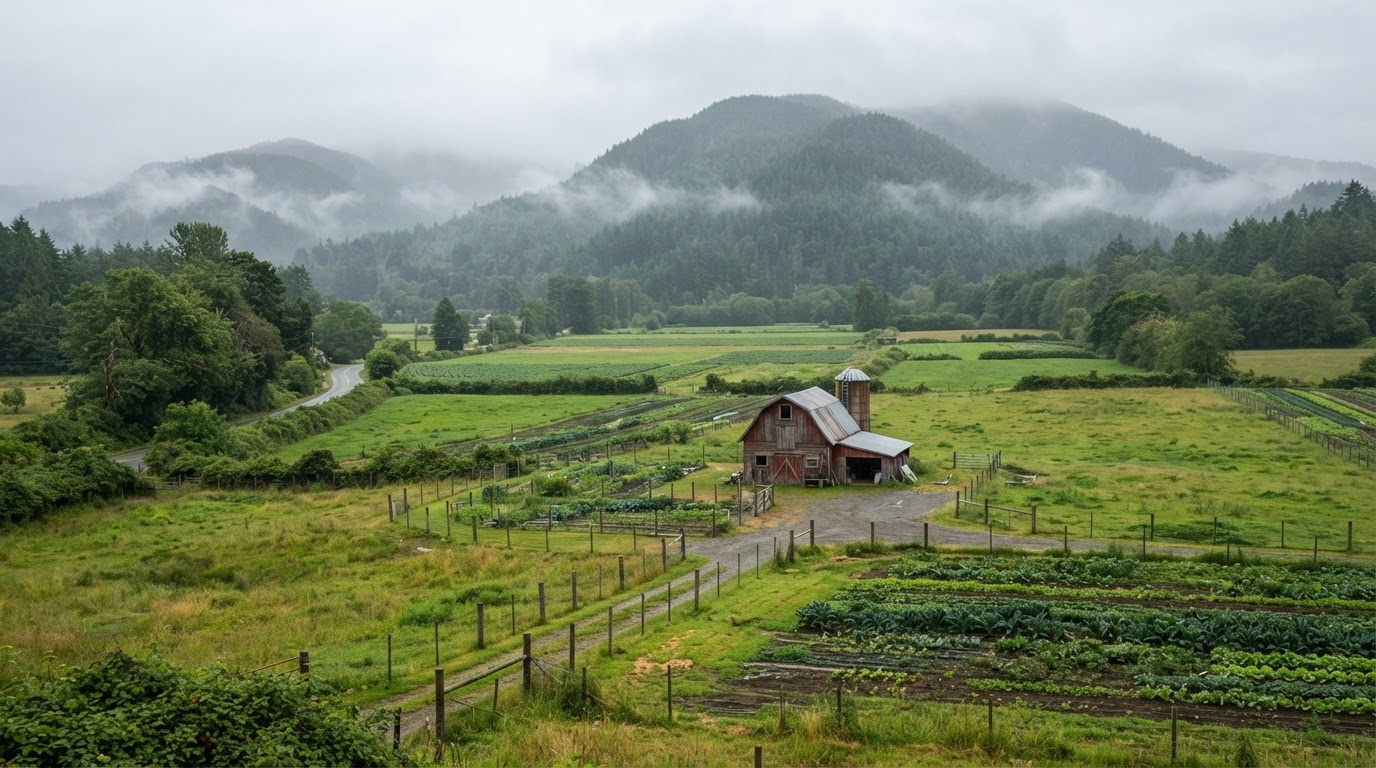
Selling a Courtenay farm means marketing Comox Valley agricultural property to a buyer pool of mixed-vegetable growers, dairy and forage operators and lifestyle buyers drawn to the fertile valley and maritime climate. Courtenay's farmland is among the island's most productive, which makes it valuable — but island buyers still weigh water, access and regional-district zoning heavily. Honest presentation of these is what closes Comox Valley sales.
What drives a premium price in Courtenay
These are the factors serious buyers and their lenders weigh when valuing agricultural property in Courtenay. Organising documentation for each before listing is the highest-value pre-sale step a seller can take.
- Documented water availability and irrigation rights on the specific parcel.
- Clear ALR status and the relevant regional-district zoning.
- Soil capability and drainage of the productive valley acres.
- Year-round access and proximity to island markets and ferry transport.
- Mild maritime climate supporting mixed vegetables, berries and forage.
Who buys farms in Courtenay
Understanding the realistic buyer pool helps position a property for the audience most likely to value it — and to close.
- Mixed-vegetable and market-garden operators serving island communities.
- Dairy and forage operators consolidating Comox Valley land base.
- Lifestyle and hobby-farm buyers drawn to the valley setting.
- Berry and specialty-crop buyers on suitable island soils.
What to prepare before listing in Courtenay
City-specific pre-sale steps that materially affect how quickly and at what level aCourtenay farm sells.
- 1Verify and document water licences, well records and any regional water restrictions.
- 2Confirm ALR status and the relevant regional-district zoning bylaw.
- 3Document year-round access and proximity to ferry transport.
- 4Compile soil capability and drainage information for the productive acres.
- 5Clarify any riparian or coastal setbacks that affect usable area.
The Courtenay seller's edge
Courtenay's Comox Valley holds some of Vancouver Island's most productive farmland, but island water can be more variable than mainland supply. A parcel with documented water, year-round access and clear regional-district zoning sells more readily than one with uncertain water or seasonal access — and honest presentation of these realities is what builds the buyer confidence that closes island agricultural sales.
How selling in Courtenay compares
Selling in Courtenay differs from Nanaimo because the Comox Valley holds more productive farmland and a broader agricultural buyer pool. Compared to Nanaimo, Courtenay attracts more dairy, forage and mixed-vegetable operators on better valley soils, but it is further from the ferry and Metro Vancouver. Compared to Duncan, both share productive island valley soils — but the Comox Valley's buyer pool is more production-oriented. In all three, documenting water, access and zoning is central.
Get a free farm valuation for your Courtenay property
If you're considering selling farmland in Courtenay, the first step is understanding what your property is worth in the current market. Request a confidential, no-obligation valuation — I'll review your water rights, ALR status, soil capability and improvements and give you an honest assessment.
- Confidential and no obligation
- Reviewed by a BC agricultural real estate specialist
- Honest assessment, not a sales pitch
Selling a farm in Courtenay — common questions
What do Courtenay farm buyers care about most?
Water, access and regional-district zoning. Island buyers weigh these heavily alongside ALR status, because they shape what a Comox Valley property can be used for and what it is worth. A parcel with documented water, year-round access and clear zoning sells more readily than one with uncertain water or seasonal access. Honest presentation of these realities builds buyer confidence.
How does selling in Courtenay compare to Nanaimo?
The Comox Valley holds more productive farmland and a broader agricultural buyer pool than Nanaimo, attracting more dairy, forage and mixed-vegetable operators on better valley soils. The trade-off is greater distance from the ferry and Metro Vancouver. In both, documenting water, access and zoning thoroughly before listing is what closes island agricultural sales.
Should I document water before selling a Courtenay farm?
Yes. Island water can be more variable than mainland supply, so buyers scrutinise water availability and irrigation rights heavily. Verify and document water licences, well records and any regional water restrictions before listing. Documented water rights are what support a premium price and prevent a sale from stalling during island due diligence.
Related sell & buy resources
Sell a Farm in BC
The province-wide hub for selling BC agricultural property.
Sell a Farm in Vancouver Island
Regional context for selling Courtenay farmland.
Farms for Sale in Courtenay
See the buy side — current market activity in Courtenay.
Sell a farm in nearby communities
Ready to sell your Courtenay farm?
Get a confidential valuation and a clear plan to bring your property to market.