
September 20, 2026 · Water Rights
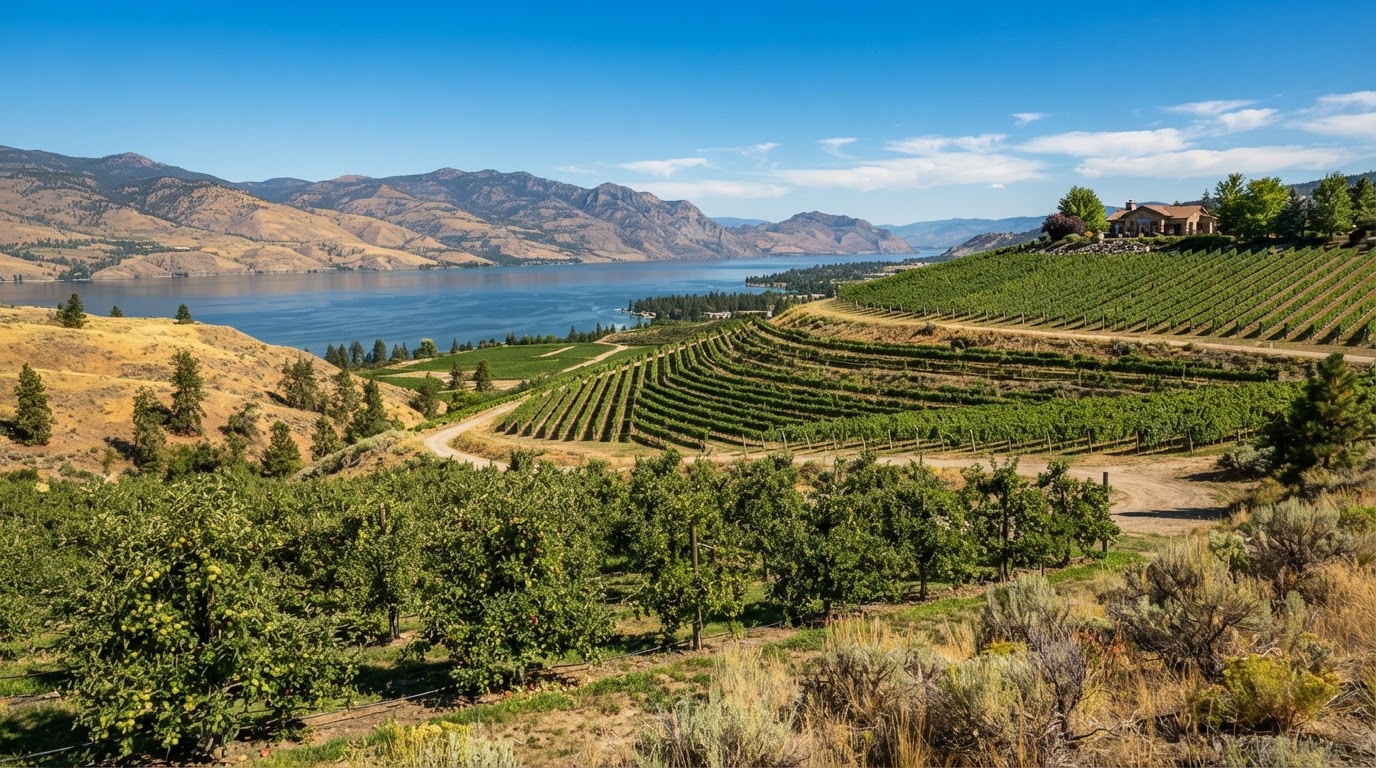
On much of British Columbia's farmland — especially in the irrigation-dependent Okanagan and the dry Interior — water is the asset that makes the land productive. A parcel with secure, licensed water can be worth far more than identical acreage without it, so verifying water rights is one of the most important steps in farm due diligence.
Start by confirming whether the property holds a water licence under the BC Water Sustainability Act. A water licence is attached to the land and generally transfers with the property, but only if it is in good standing and properly registered. Check the licence status, the annual allocation volume, the authorised purpose (irrigation, livestock, domestic), and any conditions or restrictions. The BC Water Rights database lets you look up licensed water use for a parcel.
Wells are a separate matter. Ask for any well records, confirm the well's depth and yield, and understand that a well's historical capacity does not guarantee future output. In some areas, groundwater licensing is now required, and aquifer conditions can change. For irrigated crops, confirm that the licensed allocation matches the acreage you intend to water.
Finally, distinguish between water that belongs to the farm and water that simply passes through it. Ditch rights, drainage obligations, riparian setbacks and shared irrigation-district allocations can all limit what you can do. If you are unsure, treat a water-rights review as a condition of your offer. Read our full Water Rights & Irrigation guide for the complete framework.